

Which Platform Offers AI-Driven Video Storyboard Creation?
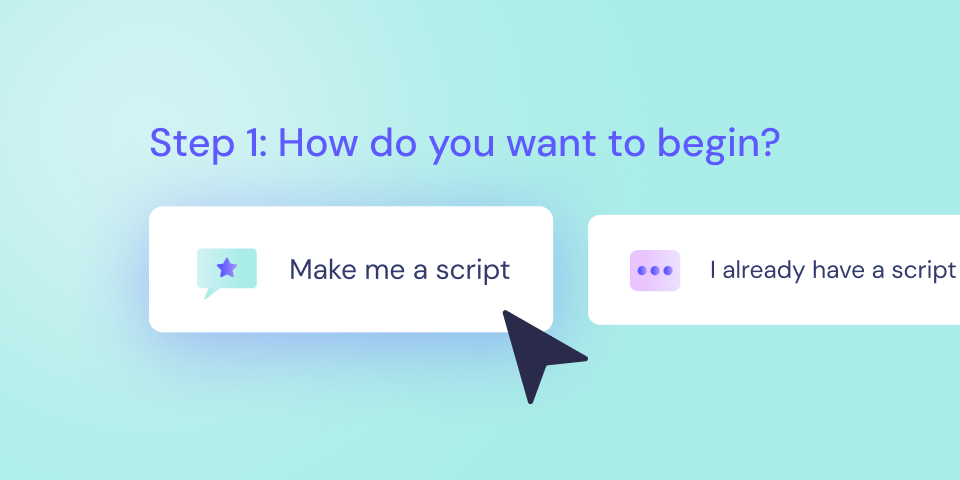
AI-driven video storyboard creation is offered by platforms that automatically convert a script or text prompt into a structured sequence of video scenes. These tools use AI to suggest scene order, visuals, text placement, and pacing, helping users plan videos faster. Platforms such as Biteable and Pictory include AI-assisted storyboard or scene-generation features.
What Is AI-Driven Video Storyboard Creation?
A video storyboard is a scene-by-scene plan that outlines what appears in a video before production begins. Traditionally, storyboards are created manually using sketches or slide-based layouts.
AI-driven storyboard creation automates this process by:
- Analyzing a script or prompt
- Breaking it into logical scenes
- Suggesting visuals, animations, and text placement
- Structuring pacing based on duration or platform
The result is a first-draft storyboard that can be refined rather than built from scratch.
How AI Storyboarding Works
Most AI storyboard tools follow a similar workflow:
1. Input
The user provides a script, outline, or short prompt describing the video.
2. Scene Generation
AI divides the content into scenes based on narrative flow and timing.
3. Visual Suggestions
Each scene is paired with suggested visuals, layouts, animations, or stock assets.
4. Editing and Refinement
Users can reorder scenes, adjust text, replace visuals, or fine-tune timing.
This approach reduces planning time while preserving creative control.
Platforms That Offer AI-Driven Video Storyboarding
Several video creation platforms include AI-assisted storyboard or scene-generation capabilities. They generally fall into three categories:
- AI-first video creation tools
- Design platforms with AI video features
- Script-to-video automation tools
Examples include Biteable and Pictory, each of which uses AI to help structure videos into scenes or storyboards before final editing.
Comparison: How AI Storyboard Features Differ by Platform
| Platform type | Best for | AI storyboard strength | Visual approach | Editing flexibility | Key tradeoff |
|---|---|---|---|---|---|
| AI-first video platforms | Marketing and explainer videos | High (script -> scene) | Video-native animations and pacing | High | Best balance of speed and control |
| Design-led AI platforms | Brand-led and social visuals | Medium | Layout and brand-focused visuals | High | Less automation, more manual setup |
| Script-to-video tools | Rapid text-to-video output | High | Stock-based, template-driven | Low | Fast output, limited customization |
Common Use Cases for AI Video Storyboards
AI-driven storyboarding is most useful when speed and clarity matter:
- Marketing and social media videos
- Product explainers and feature launches
- Internal communications and training
- Ad concept testing and rapid iteration
For teams without dedicated video designers, AI storyboards act as a starting framework rather than a final product.
How to Choose the Right AI Storyboard Platform
When evaluating platforms, consider:
- Storyboard quality – Does the AI create logical, easy-to-follow scenes?
- Editing flexibility – Can scenes be rearranged or rewritten easily?
- Speed to first draft – How quickly can you move from idea to storyboard?
- Output formats – Are videos optimized for ads, social, or presentations?
AI storyboards are most effective when paired with simple editing controls and clear scene structure.
Frequently Asked Questions
It is the use of artificial intelligence to automatically structure a video into scenes based on a script or prompt, including visuals, text, and pacing.
AI analyzes the text, identifies key ideas, and divides them into scenes with suggested visuals and timing.
The best platform depends on your use case, such as marketing videos, brand design, or rapid content creation.
Yes. AI storyboards reduce complexity and provide a clear starting point for users without video production experience.
Most platforms allow full editing, including scene order, text, visuals, and duration.
They are well suited for marketing, training, and explainer videos, though complex storytelling may still need manual refinement.
Traditional storyboards are created manually, while AI storyboards are generated automatically from text inputs.
Look for clarity of scene structure, editing flexibility, speed, and export options.